
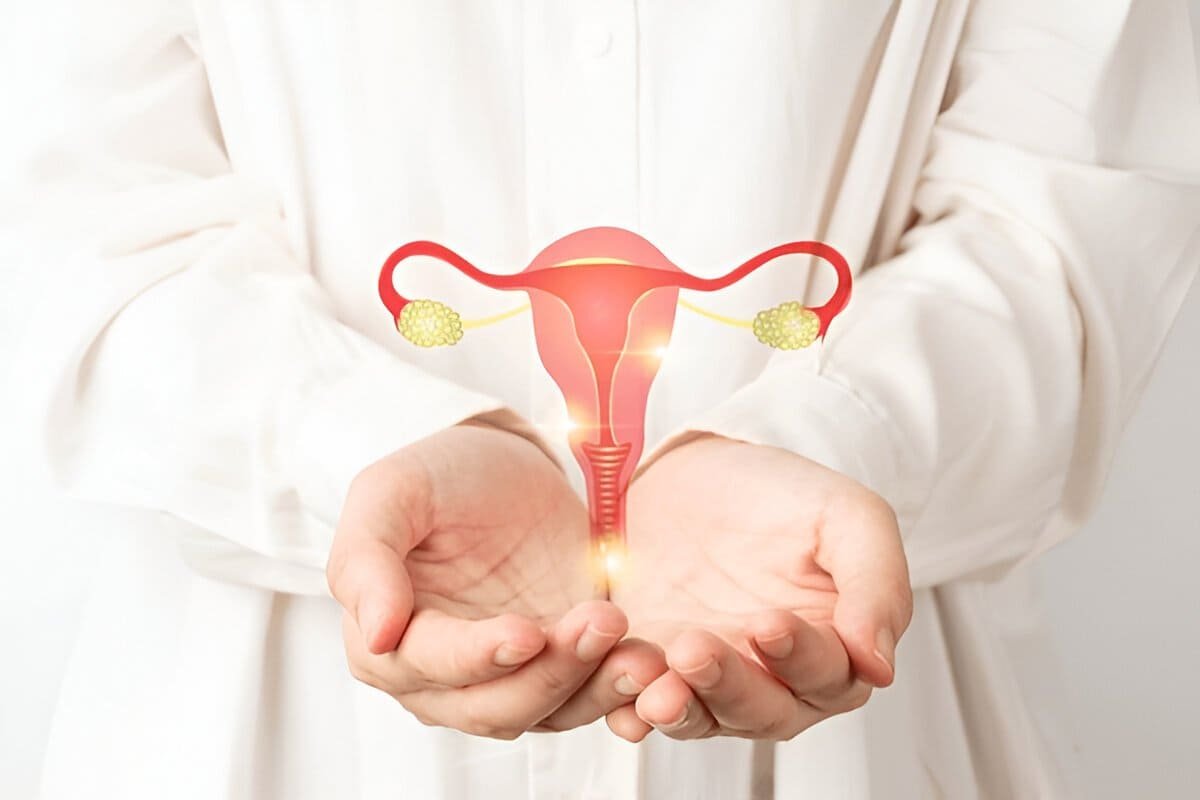
Many women hear the terms “fibroid” and “ovarian cyst” and wonder — are they the same thing? While both are growths in the pelvic region and can affect reproductive health, they originate in different parts of the female anatomy and behave differently.
- Fibroids (uterine fibroids) are noncancerous growths in the muscle walls of the uterus. They’re made of smooth muscle and fibrous tissue.
- Ovarian cysts are fluid-filled sac-like structures that form on or inside an ovary. Many are “functional” (related to the menstrual cycle) and resolve without treatment.
Understanding the differences helps you know when to watch, when to treat, and when to see a gynecologist.
Causes & Risk Factors
Fibroids
The exact cause of fibroids isn’t fully known, but several factors are believed to contribute:
- Hormones (especially estrogen & progesterone) can promote growth
- Genetic predisposition — a family history of fibroids increases risk
- Age (fibroids are more common in women in their 30s and 40s)
- Obesity, high blood pressure, and diet may play a role
Fibroids often grow with hormonal stimulation, e.g. during pregnancy, and shrink after menopause.
Ovarian Cysts
Cysts form for different reasons depending on the type:
- Functional cysts: the most common. These are linked to your monthly cycle — sometimes the follicle fails to release an egg, or the corpus luteum seals and fills with fluid.
- Other types: endometriomas (from endometriosis), dermoid cysts, cystadenomas, or cysts due to hormonal or structural causes.
- Some risk factors include hormone imbalances, use of fertility drugs, or prior cyst history.
Symptoms: How to Tell Which It Might Be
Because fibroids and cysts can produce overlapping symptoms, it’s sometimes hard to tell one from the other. Here’s a breakdown of how they commonly present:
Common Symptoms Shared by Both
- Pelvic pain or discomfort
- Pressure or a feeling of fullness in the lower abdomen
- Abnormal uterine bleeding or heavy periods
- Changes in menstrual flow
- Pain during intercourse
More Typical Signals of Fibroids
- Heavier or prolonged menstrual bleeding
- Menstrual cramps that worsen over time
- A firm, palpable mass in the lower abdomen
- Pelvic pressure, frequent urination, or bowel symptoms if fibroid presses nearby organs
- Potential fertility or pregnancy complications when large
More Typical Signals of Ovarian Cysts
- Fluctuating pelvic pain, often on one side
- Bloating, fullness, or abdominal swelling
- Spotting or light bleeding between periods
- Sudden sharp pain (if a cyst ruptures) or severe pain with nausea (if torsion occurs)
- Many cysts cause no symptoms and are discovered incidentally
If any pain is sudden, intense, accompanied by dizziness or vomiting, that could suggest rupture or torsion — seek urgent medical attention.
When to Treat & What Treatment Looks Like
Not every fibroid or cyst needs treatment. Many are monitored unless they cause symptoms or complications.
Monitoring / Watchful Waiting
- Small functional cysts often resolve within 2–3 cycles with no intervention
- Small fibroids with minimal symptoms may be followed with periodic ultrasounds
Medical Management
- Hormonal birth control (pills, IUDs) can suppress growth of cysts or reduce heavy bleeding from fibroids
- Pain medication, hormonal regulators, or medications to reduce fibroid size in select cases
Surgical / Procedural Options
When symptoms are persistent, growing, or causing complications, these may be considered:
- Laparoscopic removal of cyst (ovarian cystectomy)
- Myomectomy (surgical removal of fibroids) — when fertility preservation is important
- Hysterectomy (in severe fibroid cases in women who no longer want fertility)
- Minimally invasive approaches (laparoscopy, robotic surgery) when feasible
Decisions are based on your age, symptoms, fertility goals, size and location of the growth, and overall health.
What to Do Next: When To See a Gynecologist
You should schedule a consultation if:
- You experience heavy, prolonged or unusual bleeding
- You have persistent pelvic pain or pressure
- You notice a rapid increase in size or abdominal swelling
- You experience pain during sex or urinary/bowel symptoms
- You struggle with fertility and suspect these conditions
- You have sudden, severe pain (possible rupture or torsion)
Your gynecologist will likely order imaging (ultrasound), labs (hormone levels), and offer tailored advice or treatment options.
Takeaway: Be Observant & Proactive
- Fibroids and ovarian cysts differ in origin, symptoms, and management, but sometimes overlap.
- Many cysts resolve naturally, and not all fibroids need surgery.
- Track symptoms, note changes, and don’t delay consulting a specialist when you see red flags.
- Early detection empowers better care and less invasive treatment.
Let us know if you’d like to book an evaluation or learn which option is right for you — we’re here to help you navigate with confidence.
At The GoodOBGyn, we’re not just committed to providing medical expertise—we’re dedicated to walking with you, understanding your questions, and caring for your journey to wellness. Whether you’re exploring symptoms, treatments, or simply want trustworthy insight, we hope this post has guided and reassured you. If you’d like to stay informed and get fresh women’s health tips every month, sign up for our newsletter below. Let us keep you connected, supported, and empowered.
[Subscribe to Our Newsletter]