
Bringing a baby into the world is incredible. But for many women, the weeks and months after childbirth come with surprises—body changes, emotional shifts, and new needs you may not expect. In this post, we’ll walk you through what’s typical in postpartum recovery, when to give yourself grace, and when to reach out to your doctor.
What Happens After Birth: The First Phase
Once baby arrives, your body starts a powerful reset:
- Uterine involution — your uterus gradually shrinks back
- Bleeding & discharge (lochia) — postpartum bleeding that can last several weeks
- Hormonal shifts — estrogen, progesterone, and other levels change rapidly
- Physical changes — perineal soreness, swelling, abdominal muscle stretching, breast changes
All this is normal, but how fast you recover depends on many factors (type of delivery, whether you had tearing, your baseline fitness, etc.).
What’s Typical — And What’s Not
What’s typical / expected:
- Bleeding that tapers off over 4 to 6 weeks
- Mild cramping, especially while breastfeeding
- Some fatigue, body aches, especially early
- Emotional fluctuation (“baby blues”)
- Gradual return of bowel / bladder control
- Some vaginal / pelvic discomfort
Red flags / when to worry:
- Heavy bleeding (soaking a pad in < 1 hour)
- Foul odor or fever (possible infection)
- Very painful urination or inability to urinate
- Severe pain, especially in pelvic / abdominal region
- Persistent or worsening depression or anxiety
- Red, swollen, or painful breasts (possible mastitis)
- Inability to pass stool or gas weeks after delivery
If you notice these, contact your gynecologist or healthcare provider promptly.
Tips to Help Your Body Heal
Here are things you can do (or ask for help with) to recover better:
- Rest & pacing — it’s okay to rest, ask for help, nap when baby naps
- Nutrition & hydration — protein, iron, healthy fats, water (especially if breastfeeding)
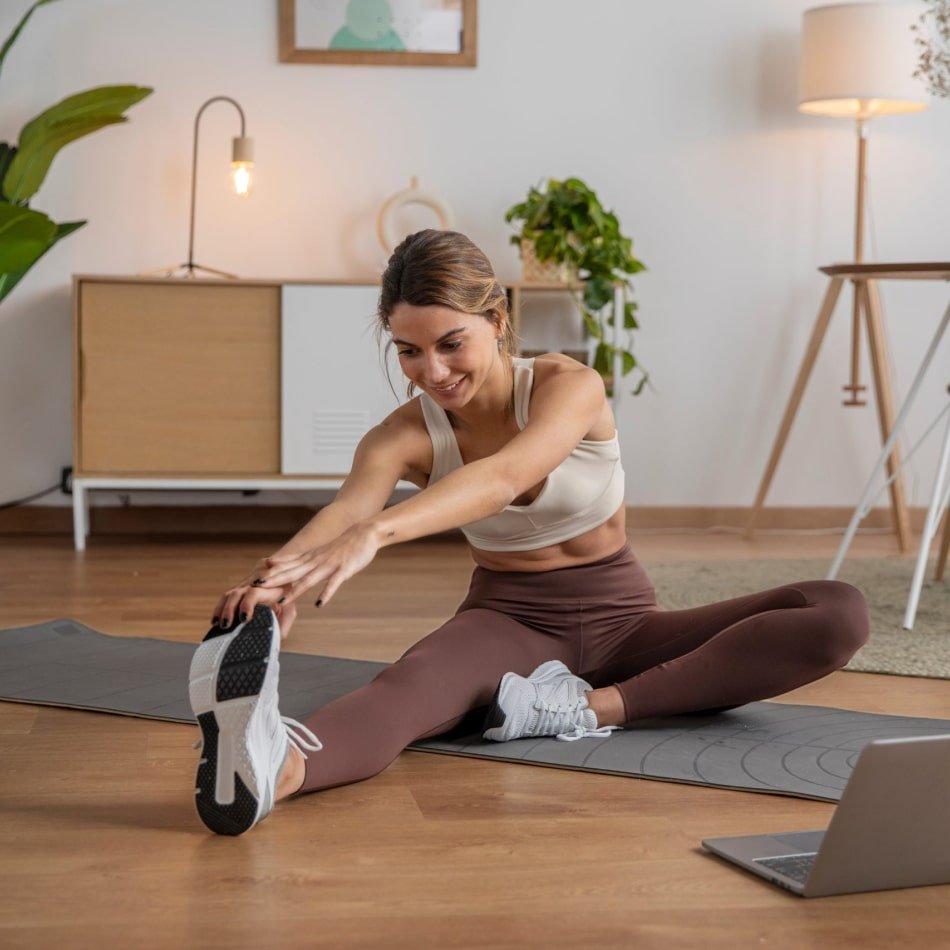
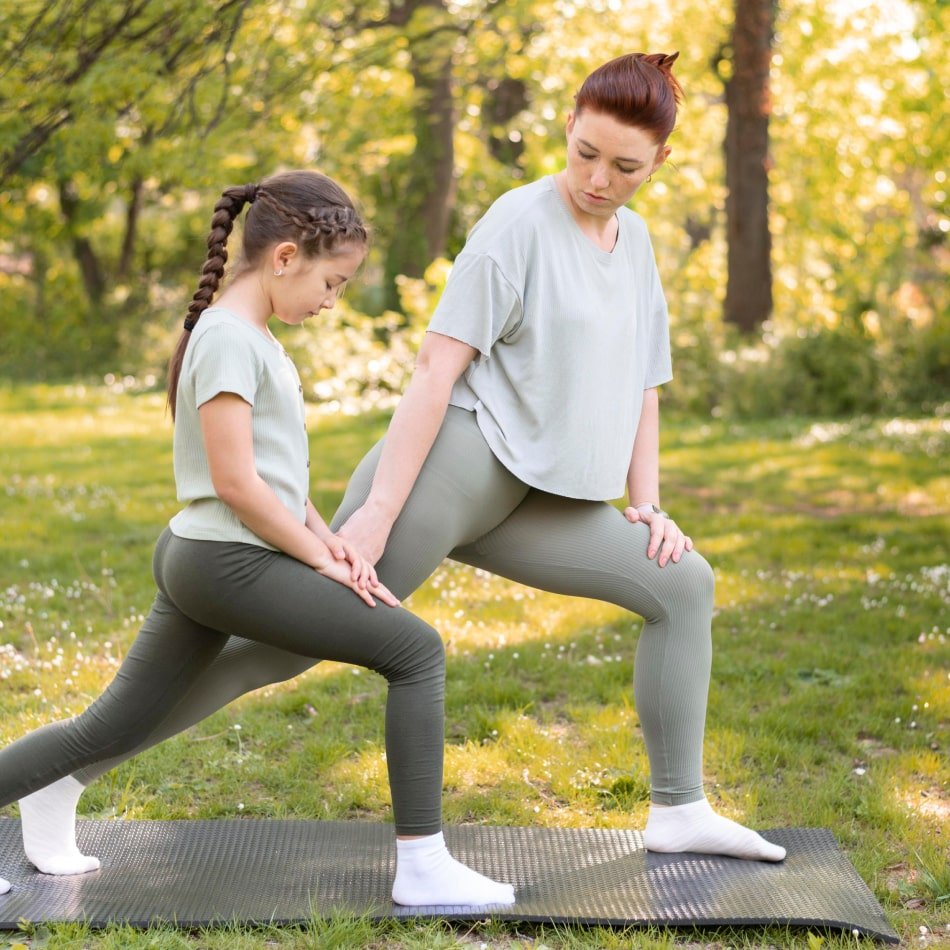
- Gentle movement — walks, pelvic floor exercises (once approved), light stretching
- Perineal care — warm sitz baths, clean gently, use pads and ice packs as needed
- Breast care — proper latch, nipple care, get help with issues early
- Pelvic / core therapy — physical therapy specialist if needed
- Emotional support — talk to partner, friends, therapists; you’re not alone
Be kind to yourself; recovery is gradual, and every body is different.
When to Ask for Professional Help
You might consider seeing your obstetrician / gynecologist (or relevant specialist) if:
- You experience any red-flag signs above
- Your bleeding hasn’t reduced after 6 weeks
- You have ongoing pelvic pain, heaviness, or urinary leakage
- You’re struggling with mood, anxiety, or bonding with baby
- You had complications (e.g. cesarean, perineal tears, hemorrhage) and haven’t felt like yourself
A good specialist can evaluate, guide, refer to physical therapy, or suggest specific treatments.
Your Emotional & Transition Journey
Physical recovery is only part of it. Emotionally, you may feel joy, overwhelm, vulnerability, or frustration. Your identity is shifting — you’re now “mother” — and that transition can bring surprises. It’s okay to seek help, talk openly, and lean on your supports. You don’t have to “bounce back.” Healing includes mind, body, and heart.
In Summary
Postpartum recovery is a journey, not a quick fix. Many changes are normal, but “normal” looks different for each woman. Stay tuned to your body, give yourself time, and reach out when something feels off. With the right care, support, and guidance, you’ll heal and reclaim your strength.
If you’d like help navigating this period, questions about recovery, or want a follow-up check with a trusted specialist, Book an Appointment with The GoodOBGyn Team — because your recovery matters to us as much as your birth.
At The GoodOBGyn, we’re not just committed to providing medical expertise—we’re dedicated to walking with you, understanding your questions, and caring for your journey to wellness. Whether you’re exploring symptoms, treatments, or simply want trustworthy insight, we hope this post has guided and reassured you. If you’d like to stay informed and get fresh women’s health tips every month, sign up for our newsletter below. Let us keep you connected, supported, and empowered.